
Motorola's Droid Razr Maxx is a power-packed
follow-up to the company's Droid Razr handset, says this eWEEK review.
Now available on Verizon Wireless, the 4.3-inch RazrMaxx zips along with
a 1.2GHz, dual-core processor and 4G LTE, and positively astounds with
its 3300mAh, all-day battery.
The Motorola Droid Razr Maxx was unveiled at CES earlier this month, and went on sale at Verizon Wireless
last week for $300 with a two-year contract. After spending a few days
with the phone, I can attest the Razr Maxx has the best battery life on
an Android smartphone I've ever tested, making it the power user's best
friend.
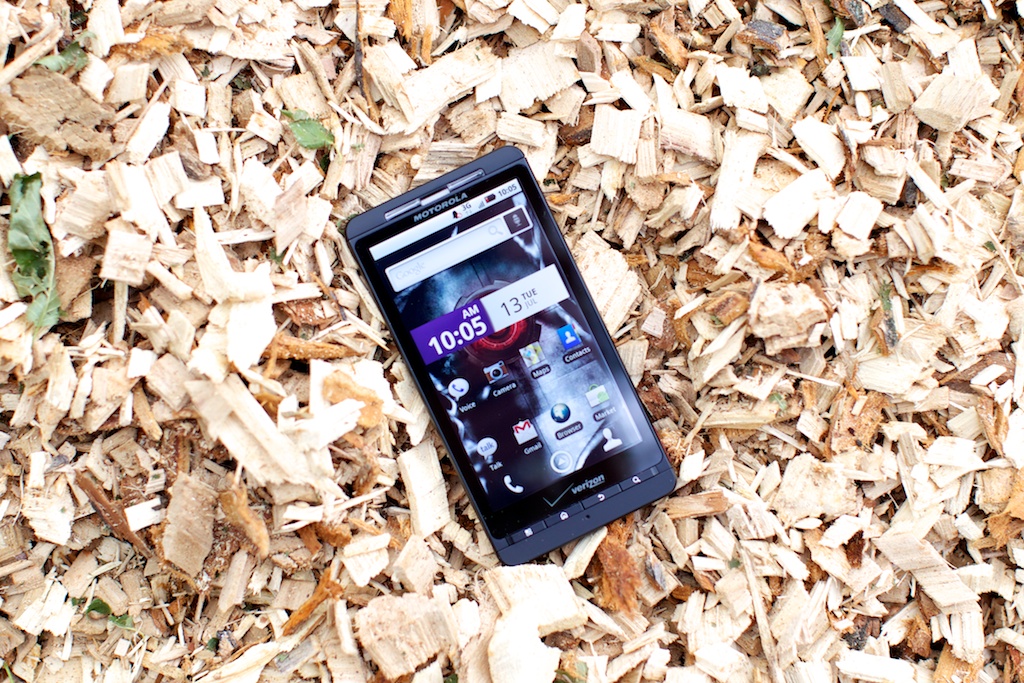
The Android 2.3 ("Gingerbread") phone offers all of
the features of its Droid Razr predecessor. That includes the 4.3-inch
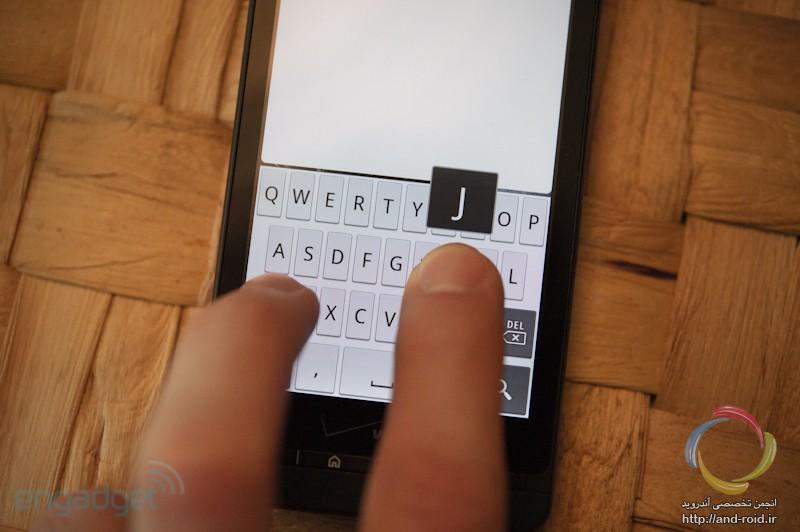
Super AMOLED Advanced screen with HD resolution, protected by Corning
Gorilla Glass, and the phone's Kevlar fiber backbone, which together
help to ward off scratches and withstand drops.
Like the Razr, the Maxx is powered by a 1.2GHz dual-core CPU, 1GB of
RAM, and a 4G LTE (Long Term Evolution) radio, all of which add up to .a
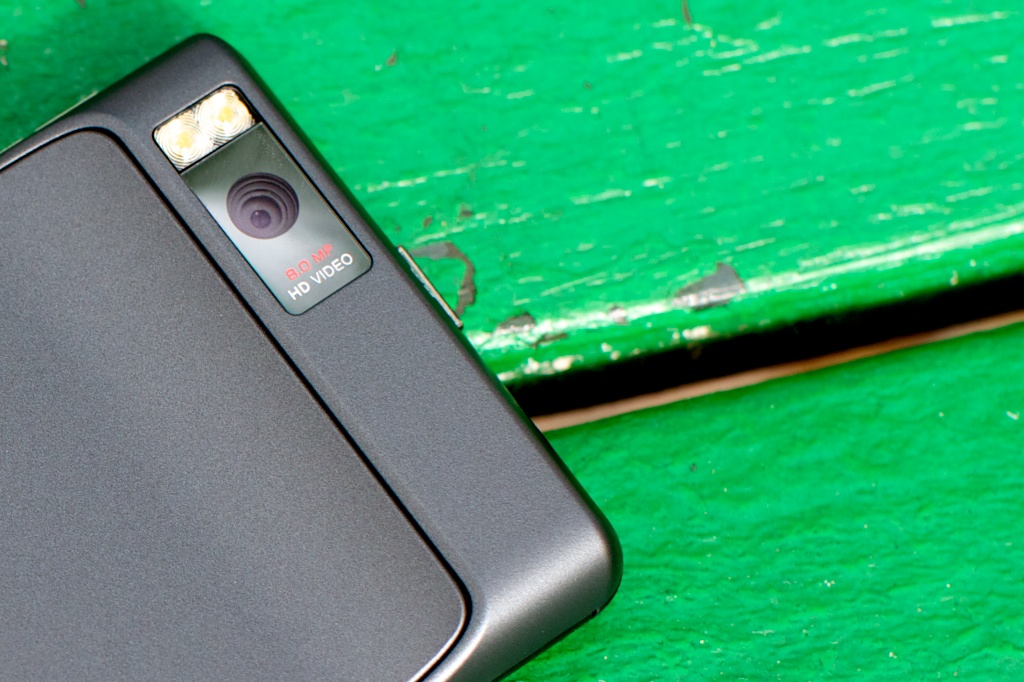
speedy user experience. An eight-megapixel camera and other goodies are
also part of the package. (For more details, see my Droid Razr review from November.)
I can confirm the call quality matches that of the Razr. So does the
speed. As with the Razr, Ookla's Speedtest on the Maxx showed me
anywhere from 10Mbps to 16Mbps of download speeds, and 6 to 9Mbps upload
speeds.
Boffo battery
This device's battery life is roughly twice that of the original
Razr. The Droid Razr has a 1780mAh battery, which was decent for a
smartphone, but the Razr Maxx handset upgrades to a 3300mAh power
supply.
According to Verizon, Maxx users will enjoy some 21 hours of talk
time on 16.5 hours of standby time. We'll see about that, I thought.
I did two tests with this phone after going through the basic
features for myself last Friday. For the first test, I powered the phone
up and used it all day Saturday, making calls, sending text messages,
and playing several games of Angry Birds.
I downloaded two dozen apps, and watched a dozen YouTube videos of various lengths.
I even watched a movie on Netflix from the phone. (Okay, I just let
the movie play -- I'm not ready to spend over an hour watching something
on a screen this size.)
I also played around with one of Motorola's core new applications,
Smart Actions. This app let me define rules for whether the phone should
silence the ringer while I'm at work, and turn it on when I'm at home.
It also let me tweak the Bluetooth settings, and start playing music
when headphones are plugged in.
I still had plenty of juice at the end of the day -- at least a third
of the total. I recharged the phone overnight and turned it on Sunday
morning to begin my second test for standby battery longevity.
As I wrote this, around 2PM Tuesday afternoon, Eastern Time, the Maxx
was still showing three-quarters of battery life. I hadn't done a thing
with it other than tap the power button to check the battery.
Here's the thing that really wowed me about this phone beyond the
battery life. With a battery pack of this power, I was expecting a
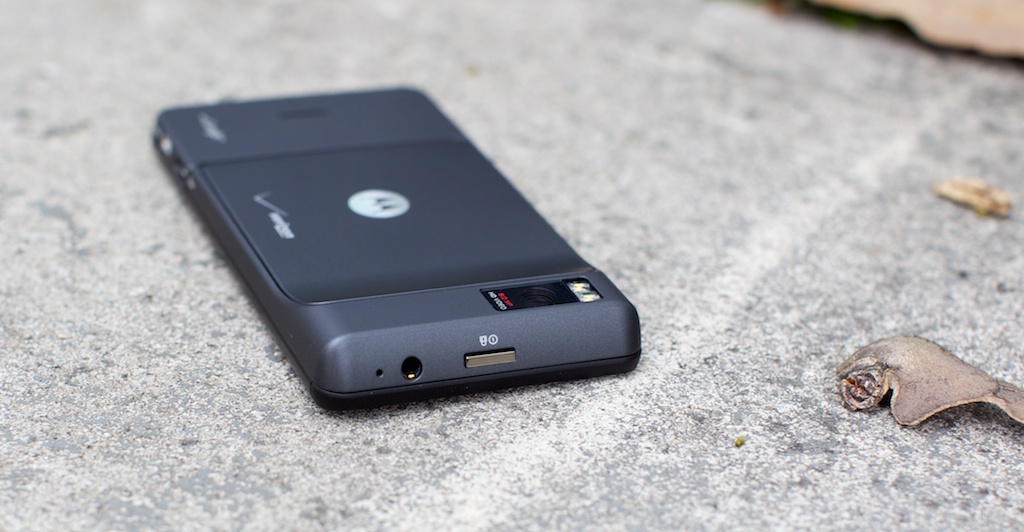
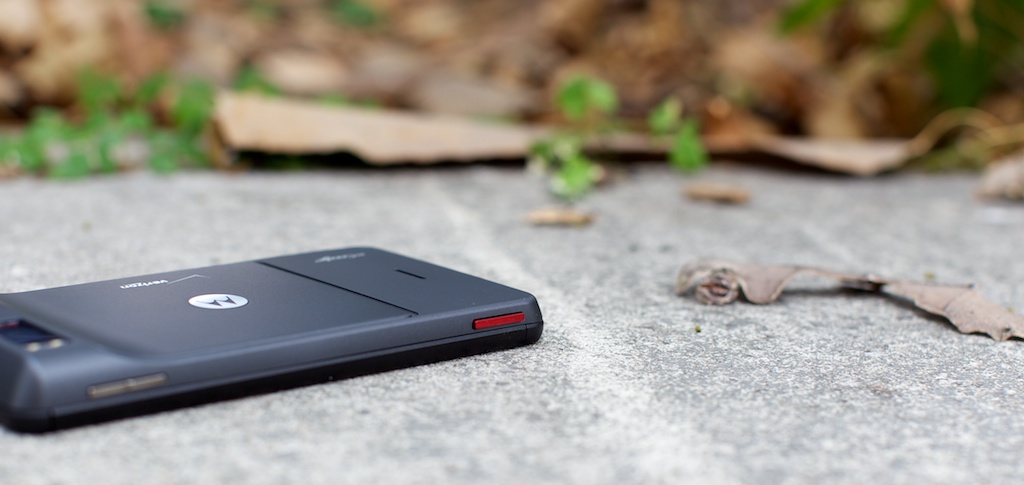
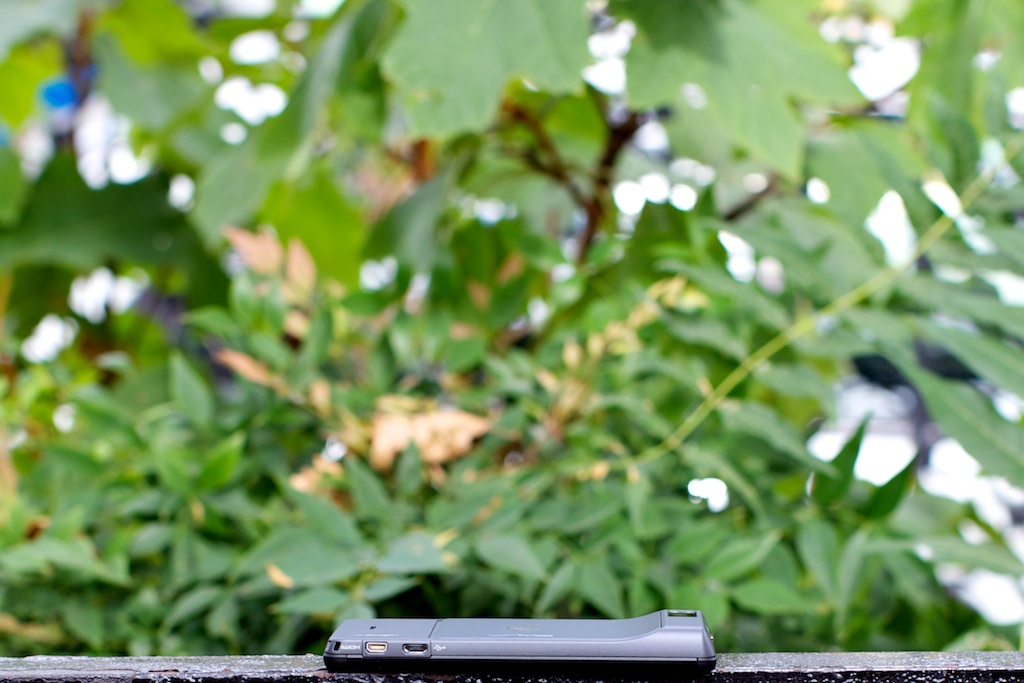
chunky little brick of a phone. Instead, the phone is a remarkable
8.99mm, or 0.35 inches, thick. Sure, that's thicker than the 7.1
millimeters offered by its Razr brethren, but it's about the same
profile of the slim Samsung Galaxy S II handsets.
It's a marvel that Motorola packed a battery of that power into a
phone this thin, and frankly – aside from the price -- I'm not sure why
anyone would buy another 4G LTE smartphone, such as the battery-chomping
HTC Thunderbolt or Samsung Droid Charge from Verizon.
You might ask yourself whether you should buy the Razr Maxx or the
Razr Maxx -- both of which are scheduled for an upgrade to Android 4.0.
First, go to a local Verizon store or Best Buy and hold both in your
hand.
If thin and light is your top priority, the Razr is the right phone for
you. If battery power sits atop your list of smartphone features, the
Razr Maxx is your best bet.
Both phones cost $300, so to me buying the phone with the best power
source is the obvious choice: to the Maxx, totally, and for sure.







 سلام
سلام